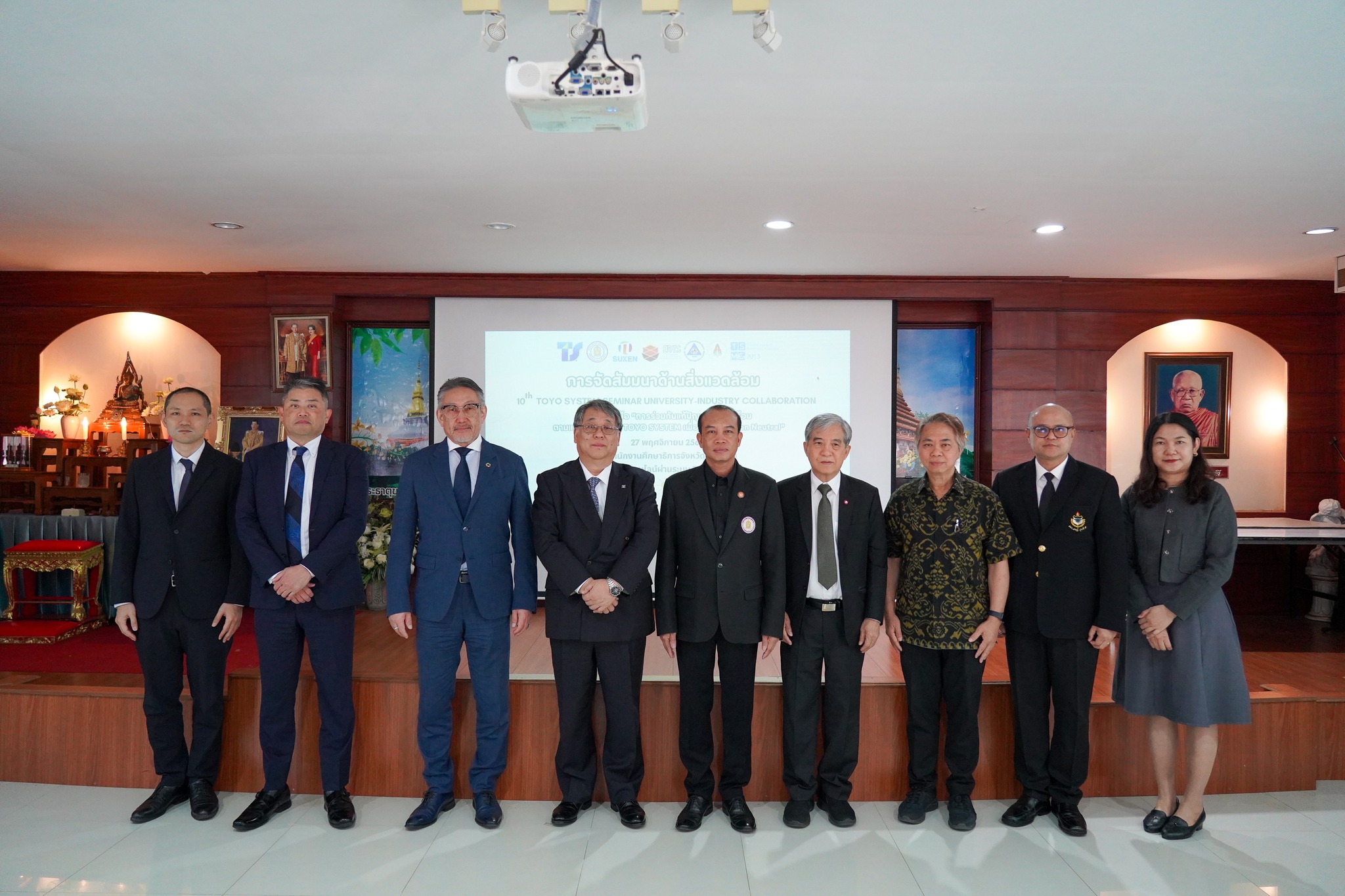
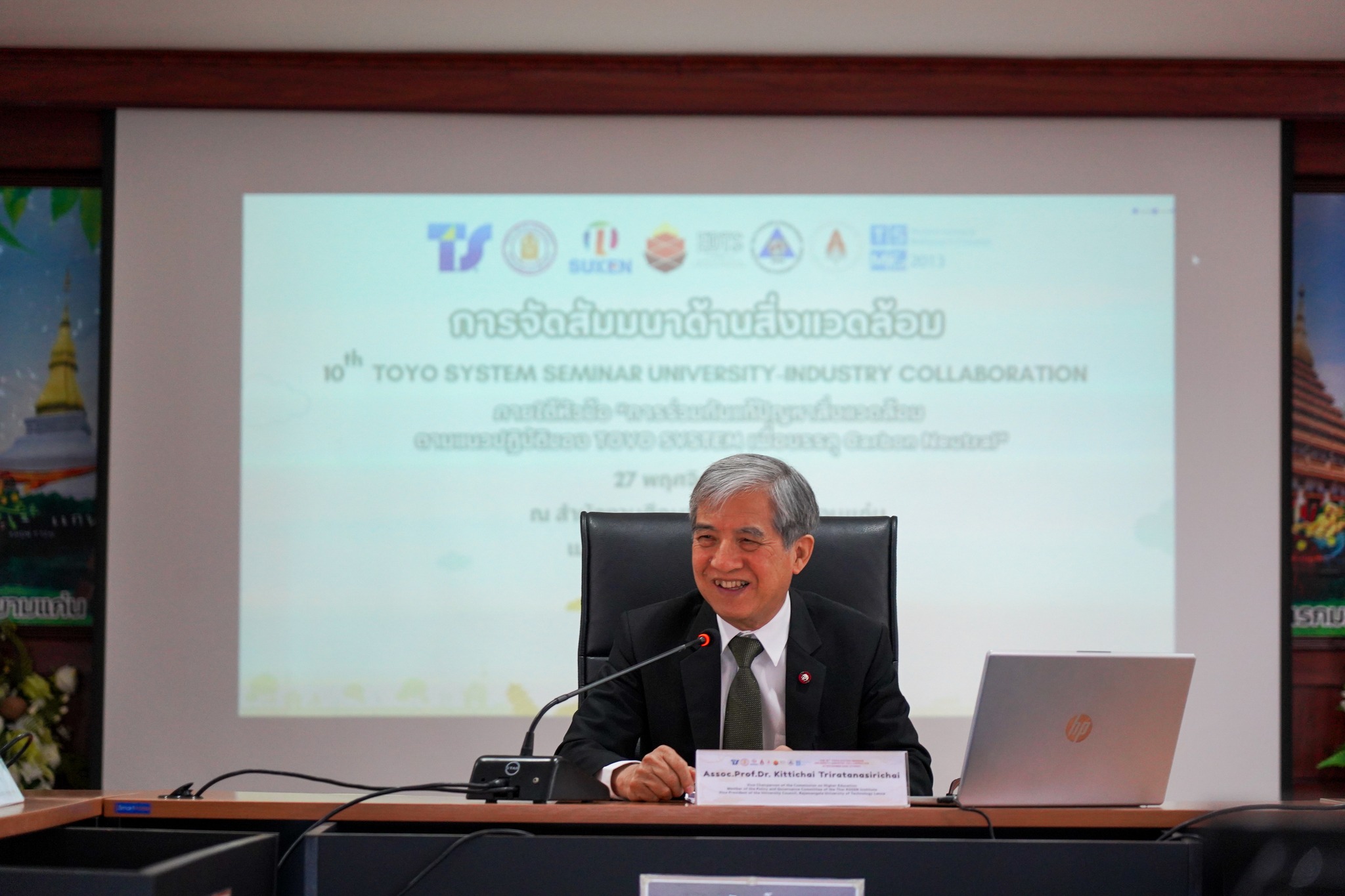
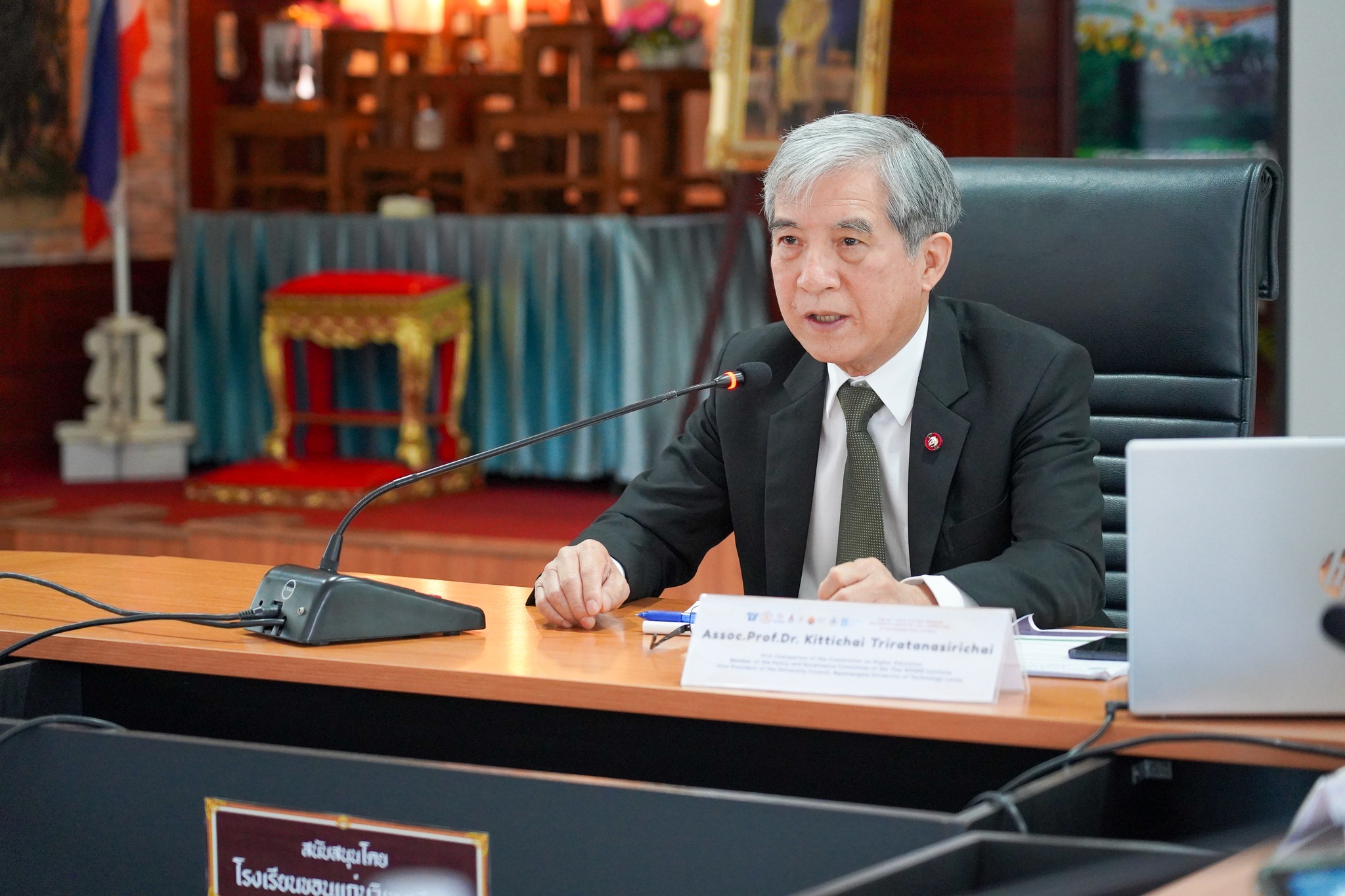
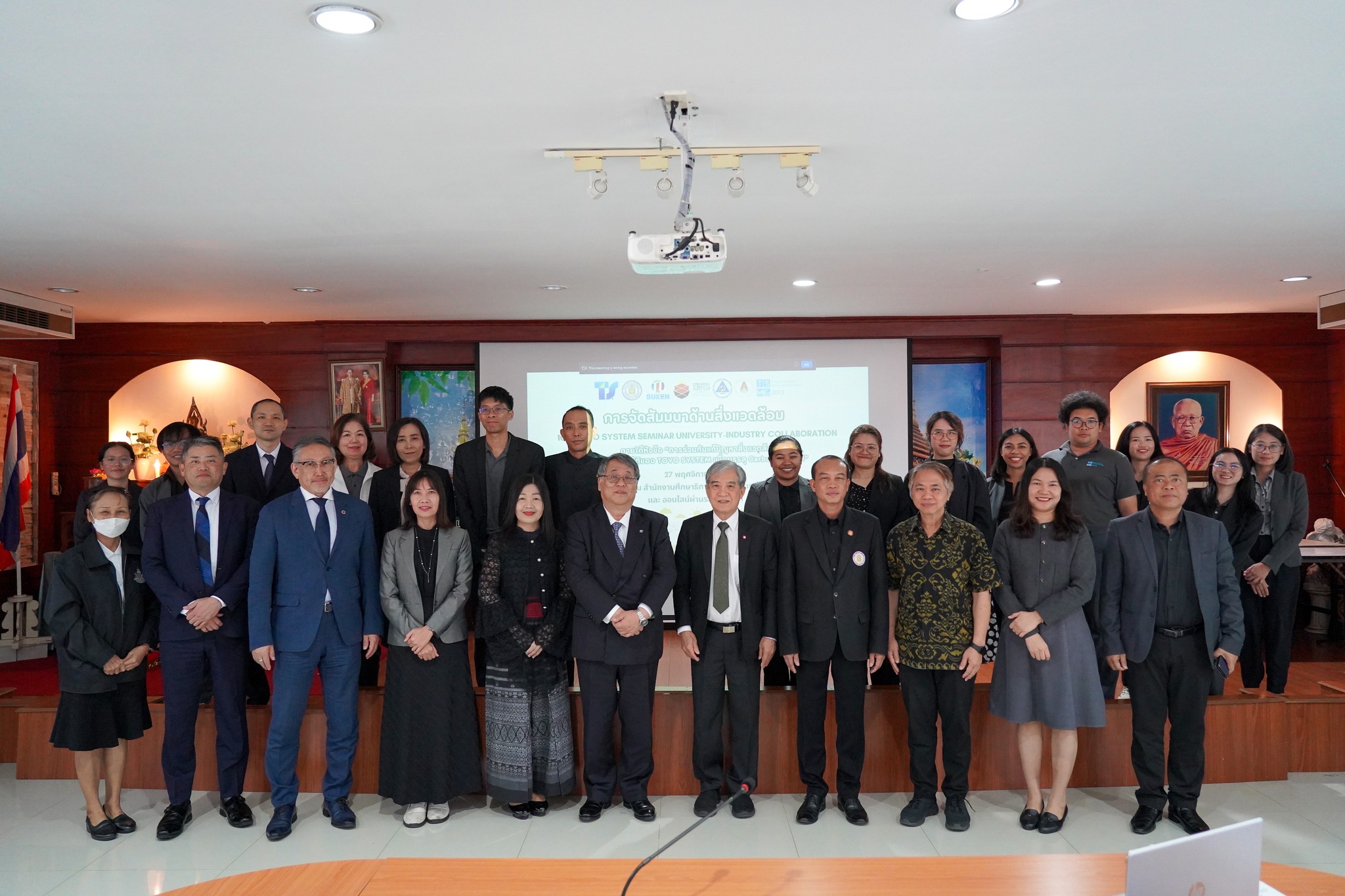
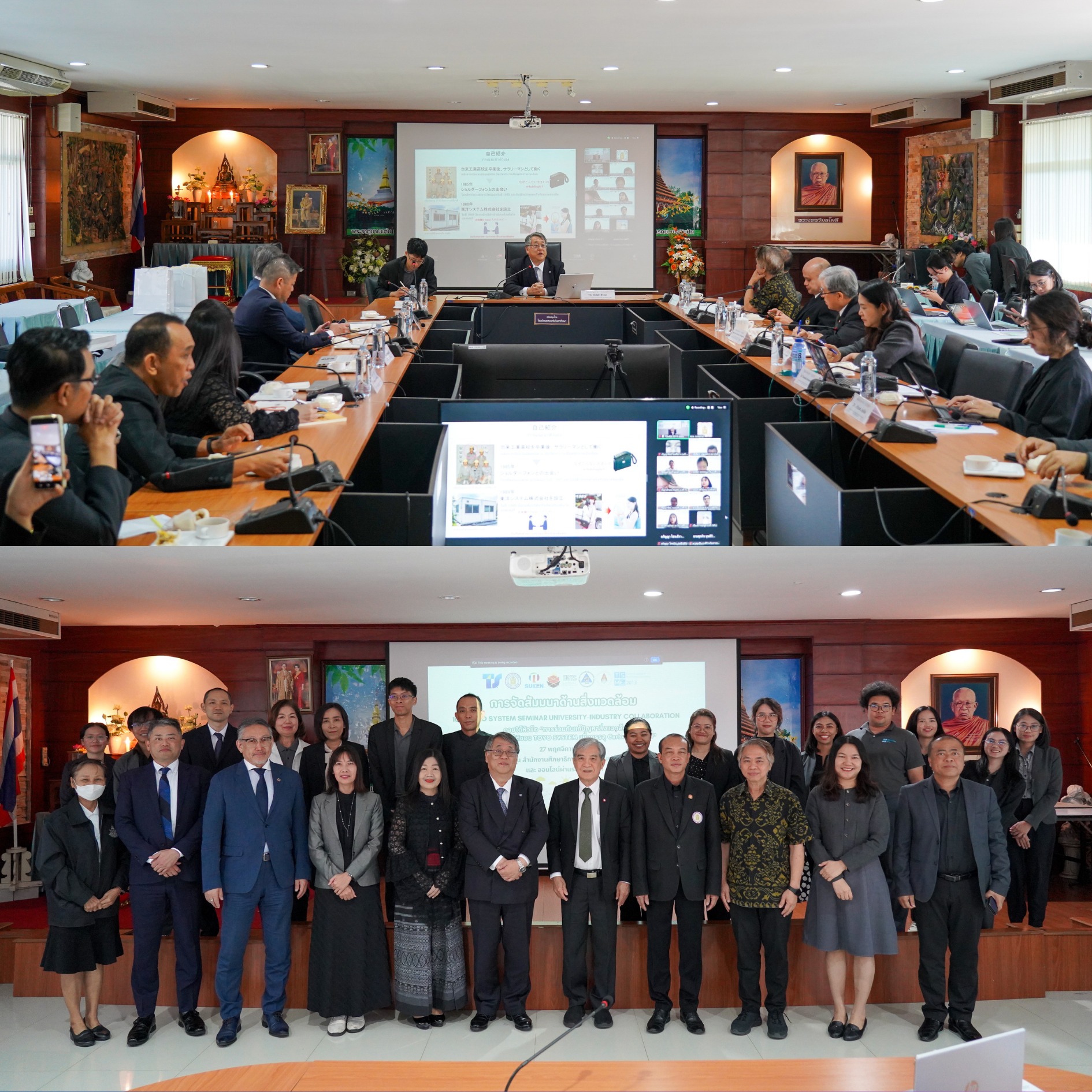
KHON KAEN, THAILAND – On Thursday, November 27, 2025, a significant academic and industrial collaboration took place to address global environmental challenges. Khon Kaen University’s Institute for Research and Development in Teaching Profession for ASEAN (IRDTP KKU) partnered with Japanese firm Toyo System Co., Ltd. and several educational organizations to host the 10th University-Industry Collaboration Seminar.
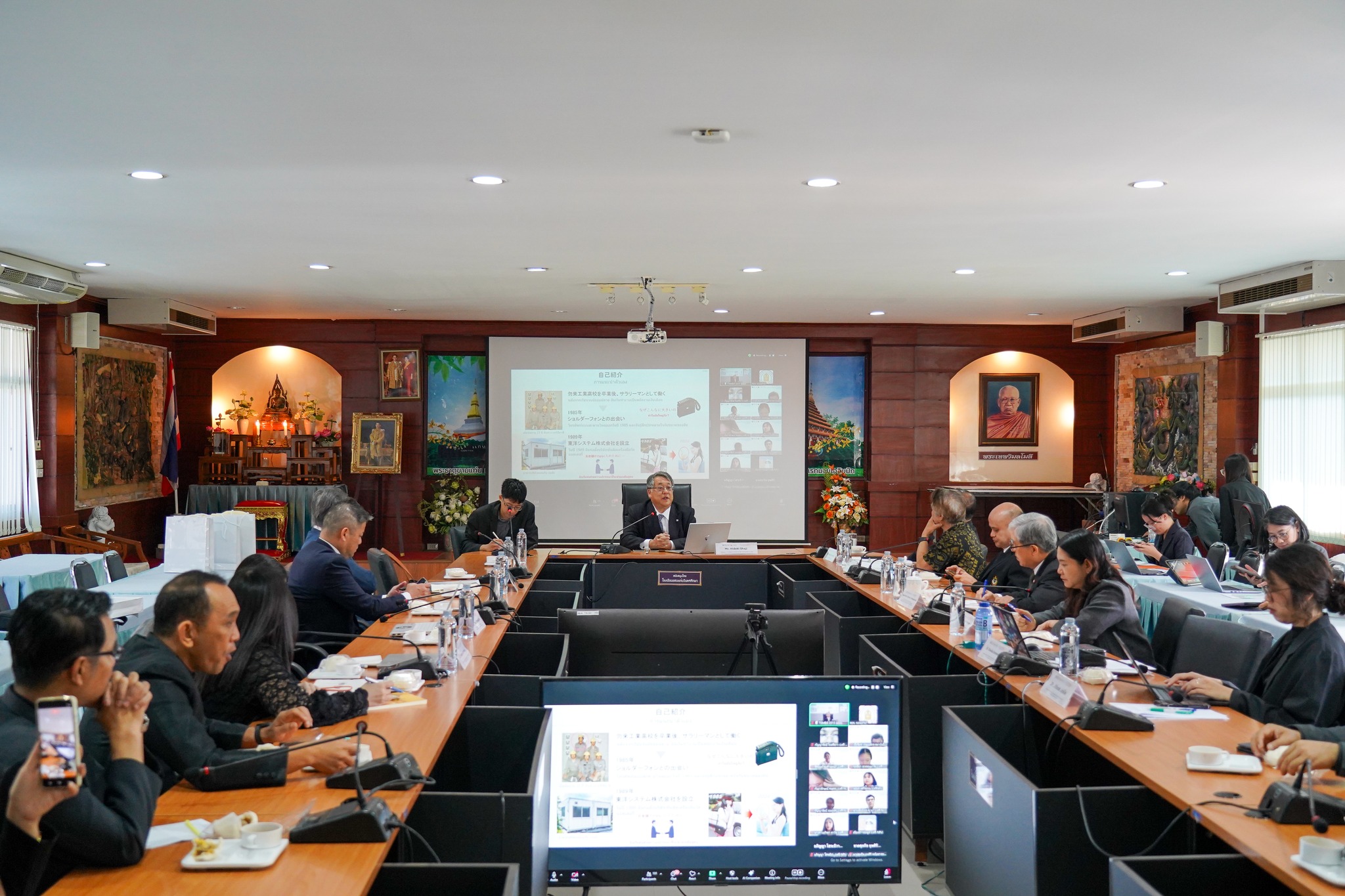
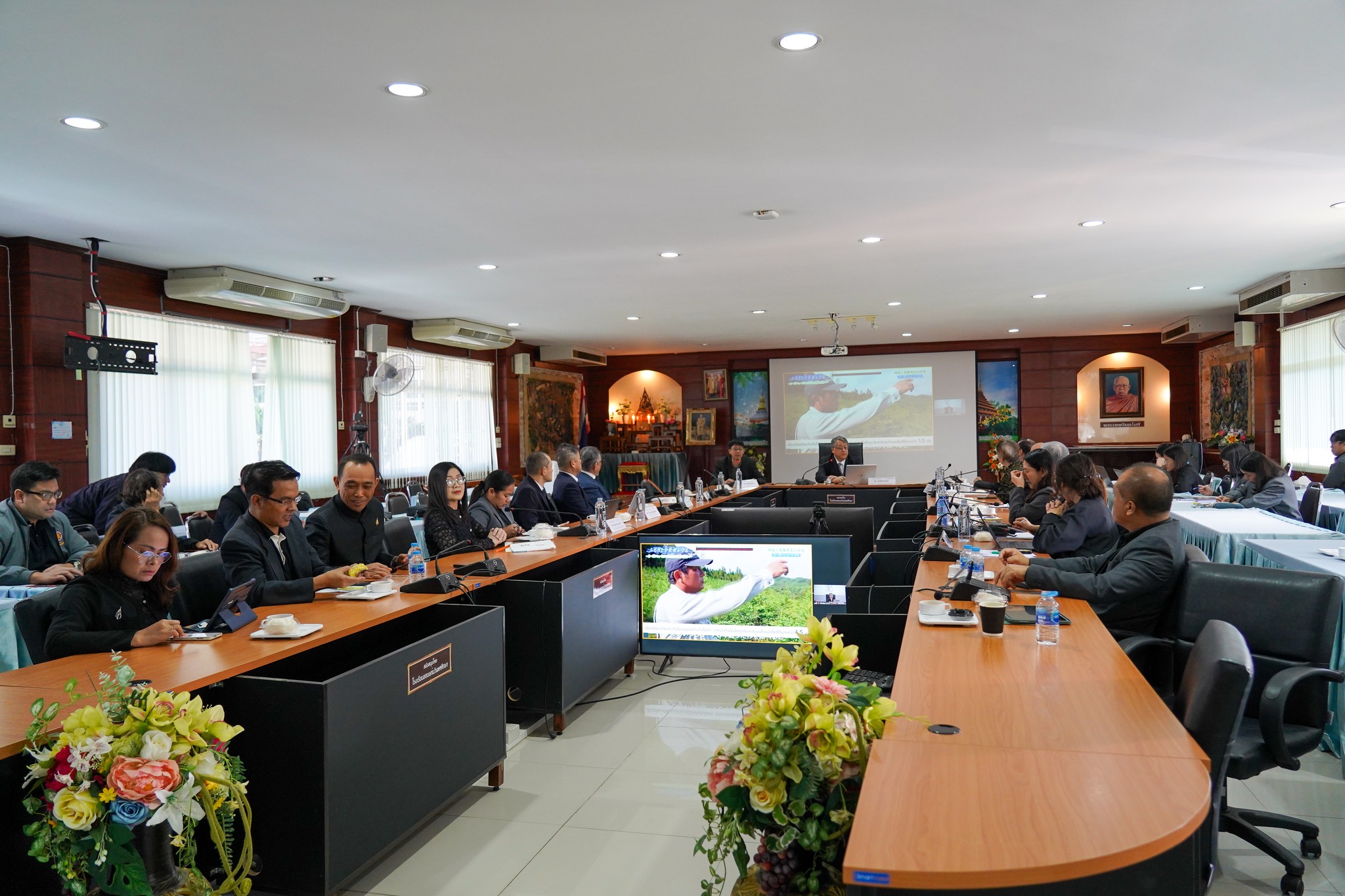
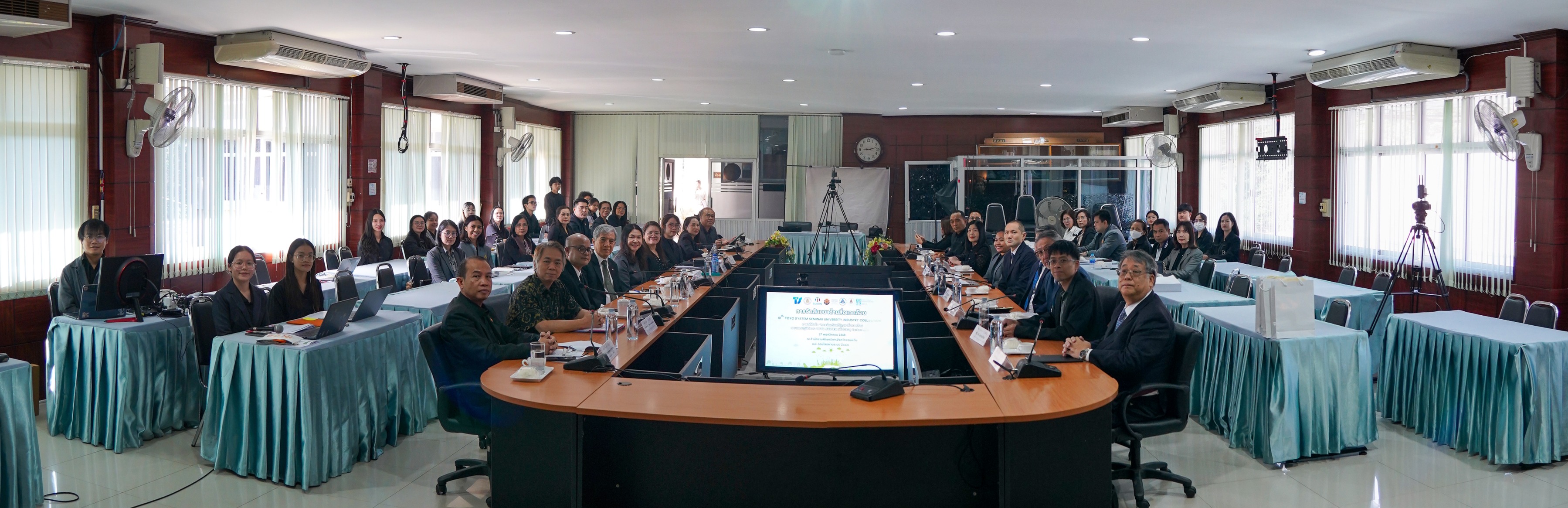
The event, titled “Solving Environmental Problems according to Toyo System Practices to Achieve Carbon Neutrality,” was held at the Phra Thep Wimol Molee Meeting Room at the Khon Kaen Provincial Education Office, with additional participants joining online.
A Decade of Collaboration This seminar marks the sixth year of an ongoing initiative that began in 2020, representing the 10th installment of the series. The event was organized through a broad coalition including the Khon Kaen Provincial Education Office, the Center for Research in Mathematics Education, the Foundation for Education to Develop Thinking Skills, the Thailand Society of Mathematics Education, and The Mathematics Certification Institute of Japan.
A key development for this year’s event was the involvement of the "Iwaki Carbon Neutral Human Resource Development Consortium," represented by Toyo System. This consortium initiated a partnership with Khon Kaen province in May 2025, aiming to elevate local cooperation to an international level.
Wide-Ranging Participation The seminar attracted over 250 participants, including primary and secondary students, university students, professors, researchers, and educational personnel from both the Office of the Basic Education Commission (OBEC) and vocational streams. Attendees hailed from 13 Thai provinces—Khon Kaen, Ubon Ratchathani, Nong Bua Lamphu, Surin, Yasothon, Si Sa Ket, Nakhon Phanom, Buriram, Prachinburi, Nakhon Ratchasima, Roi Et, and Kalasin—as well as from Hiroshima, Japan.
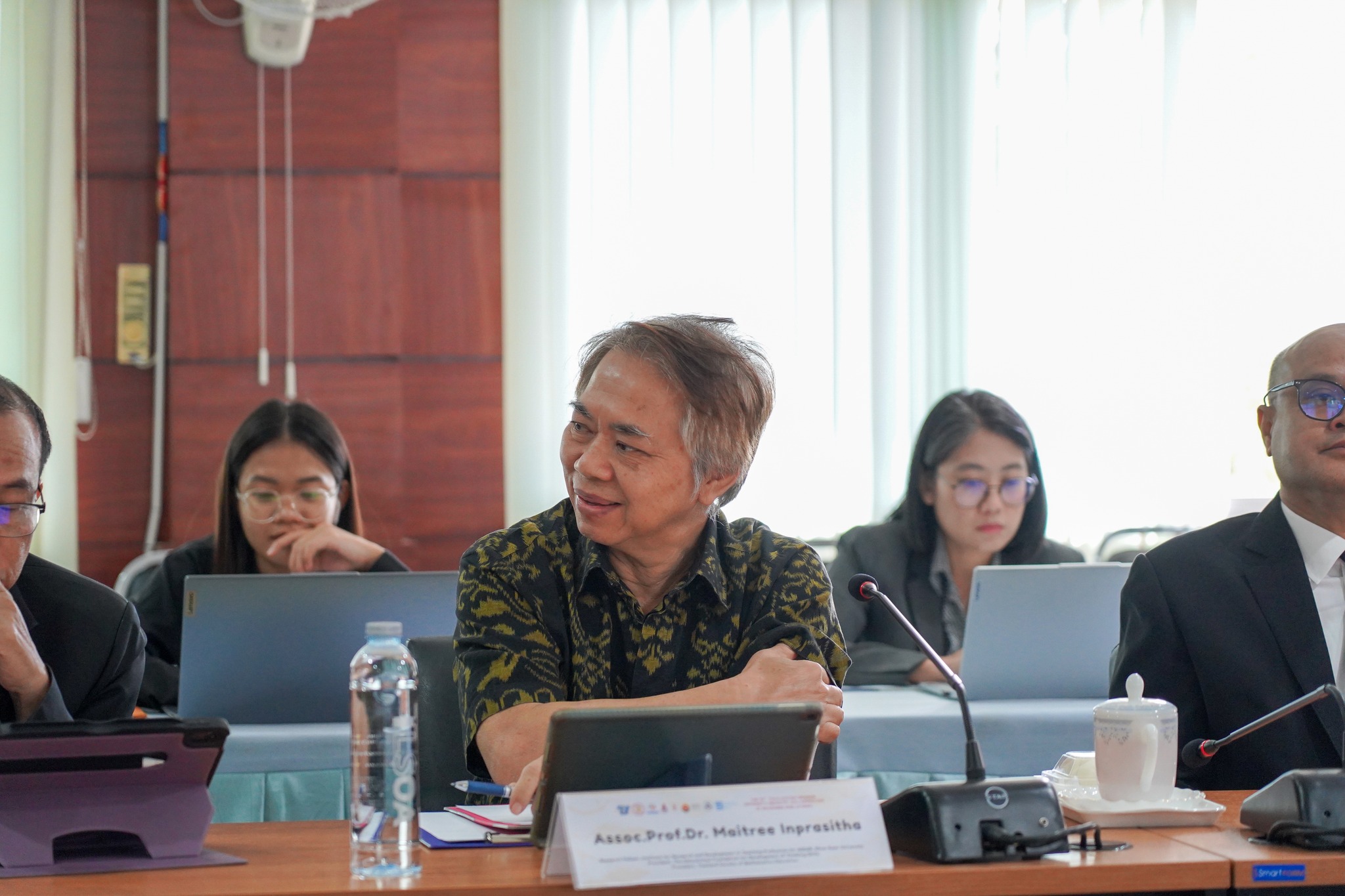
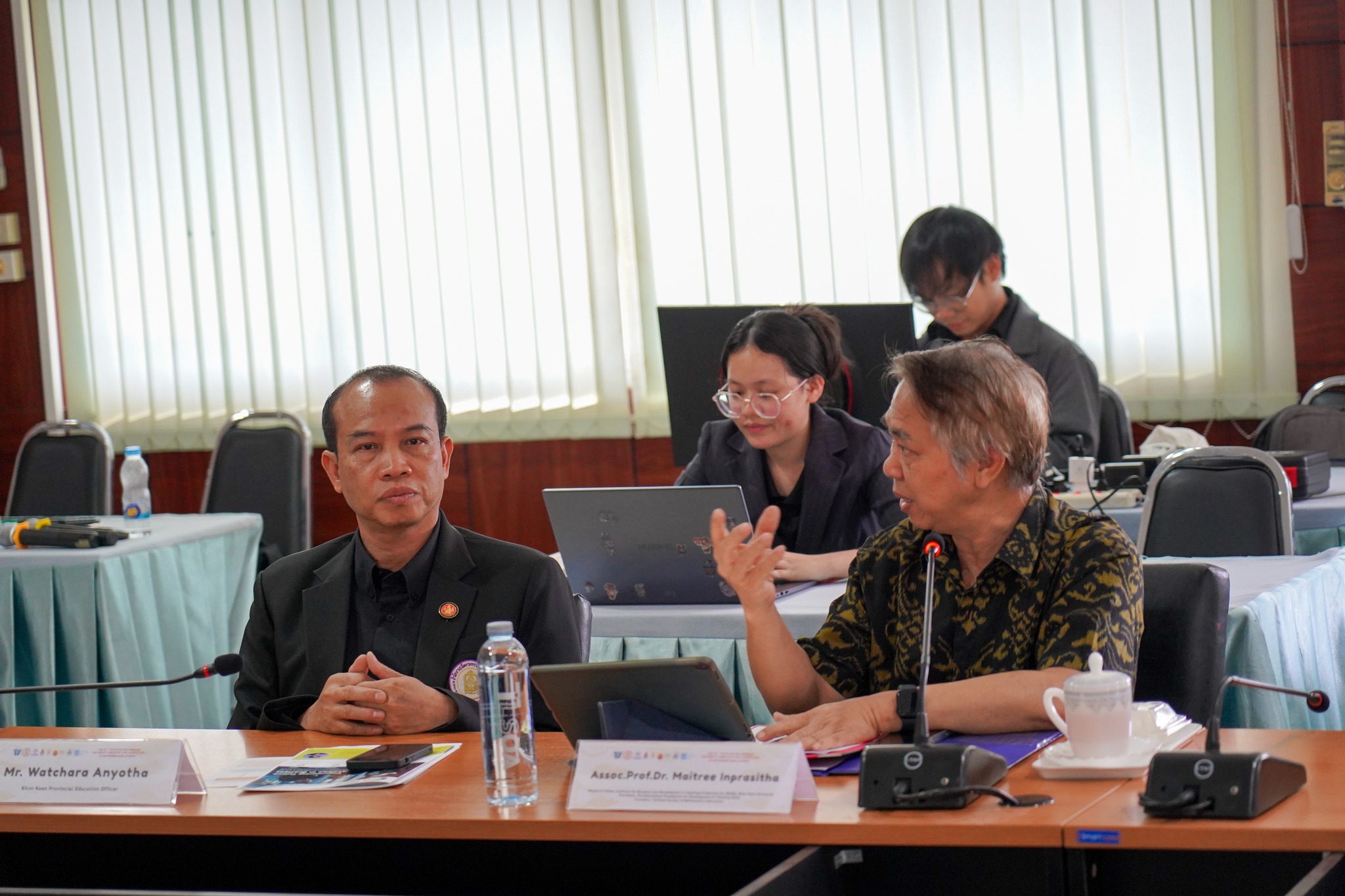
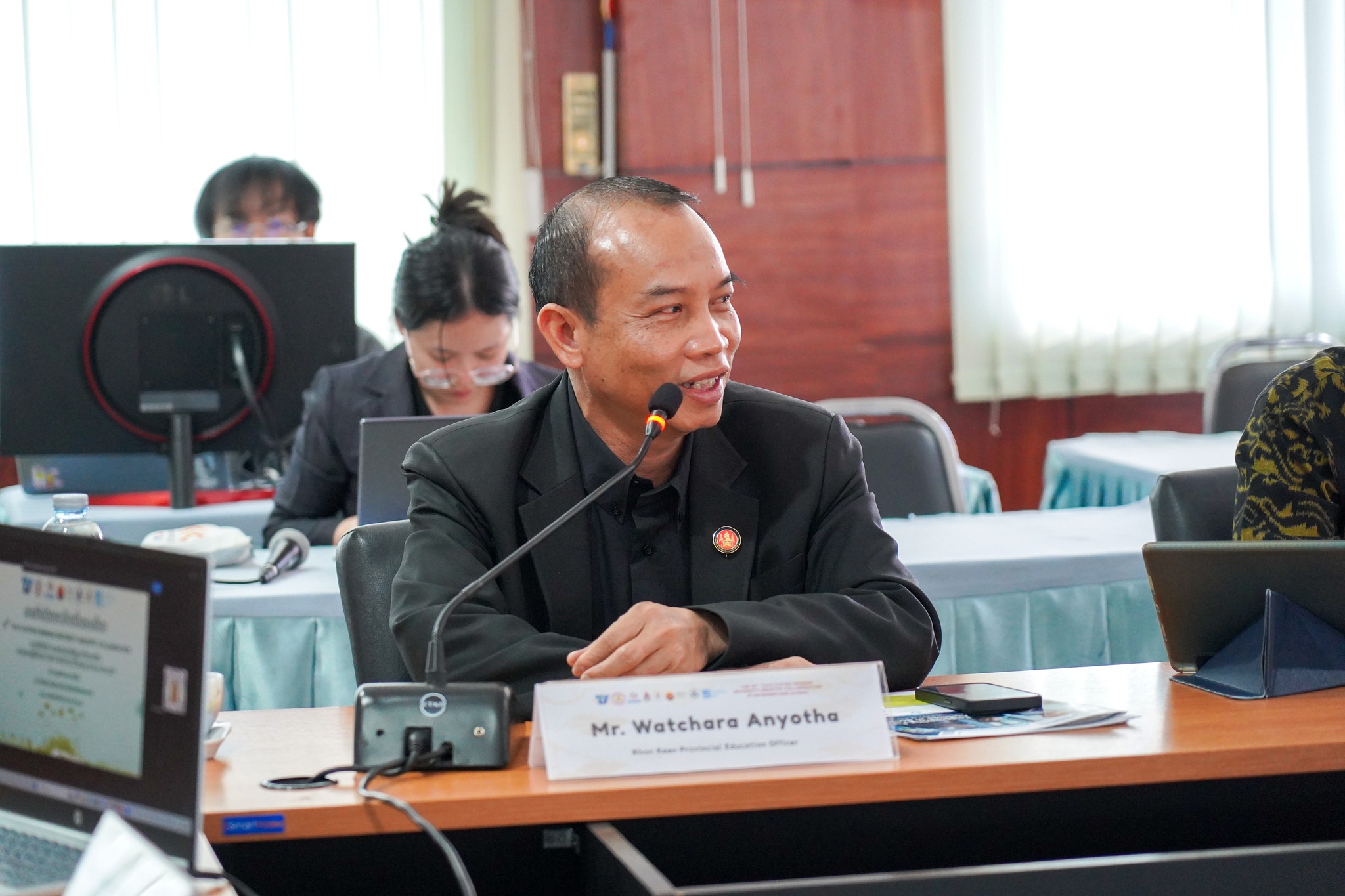
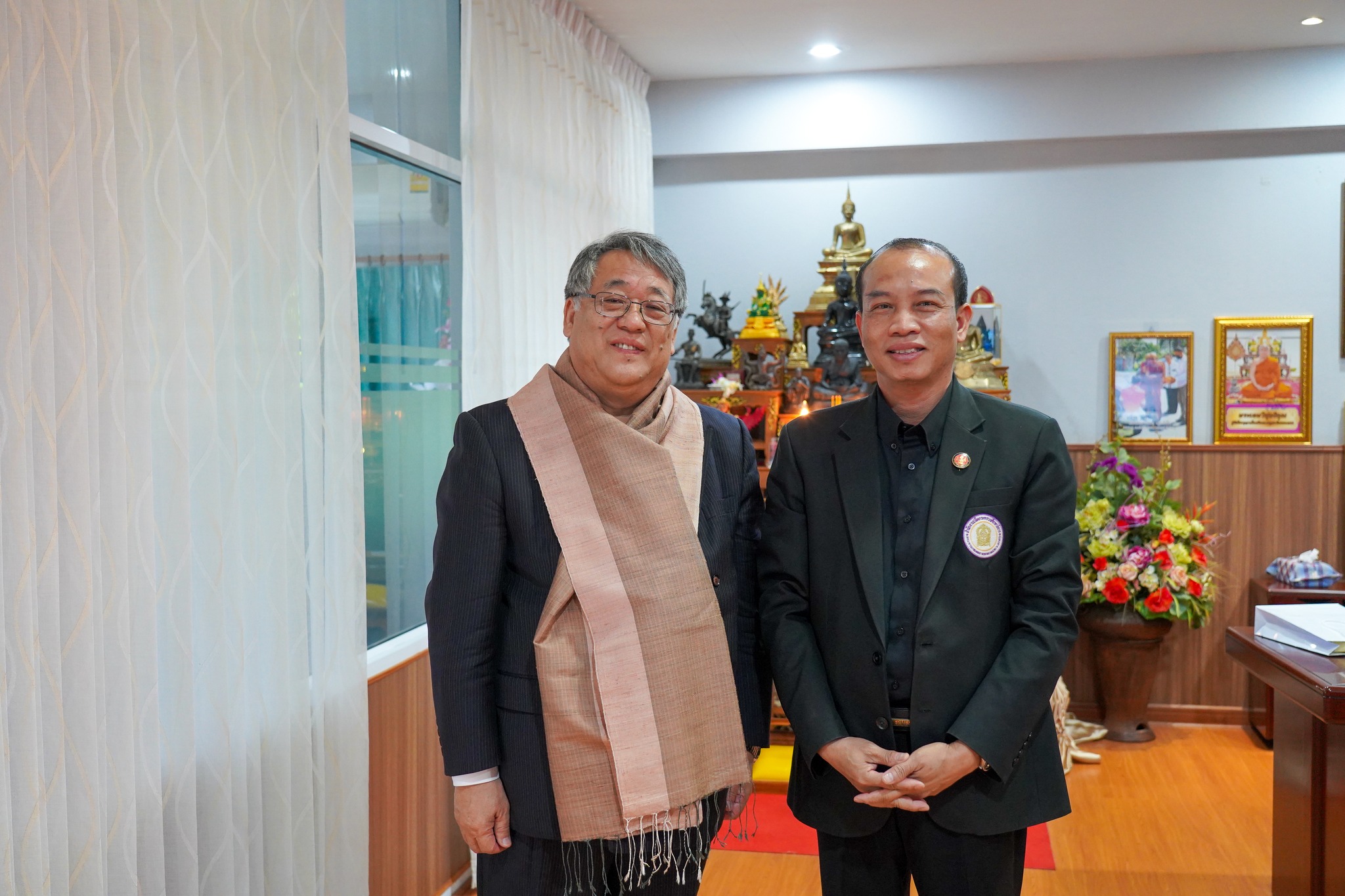
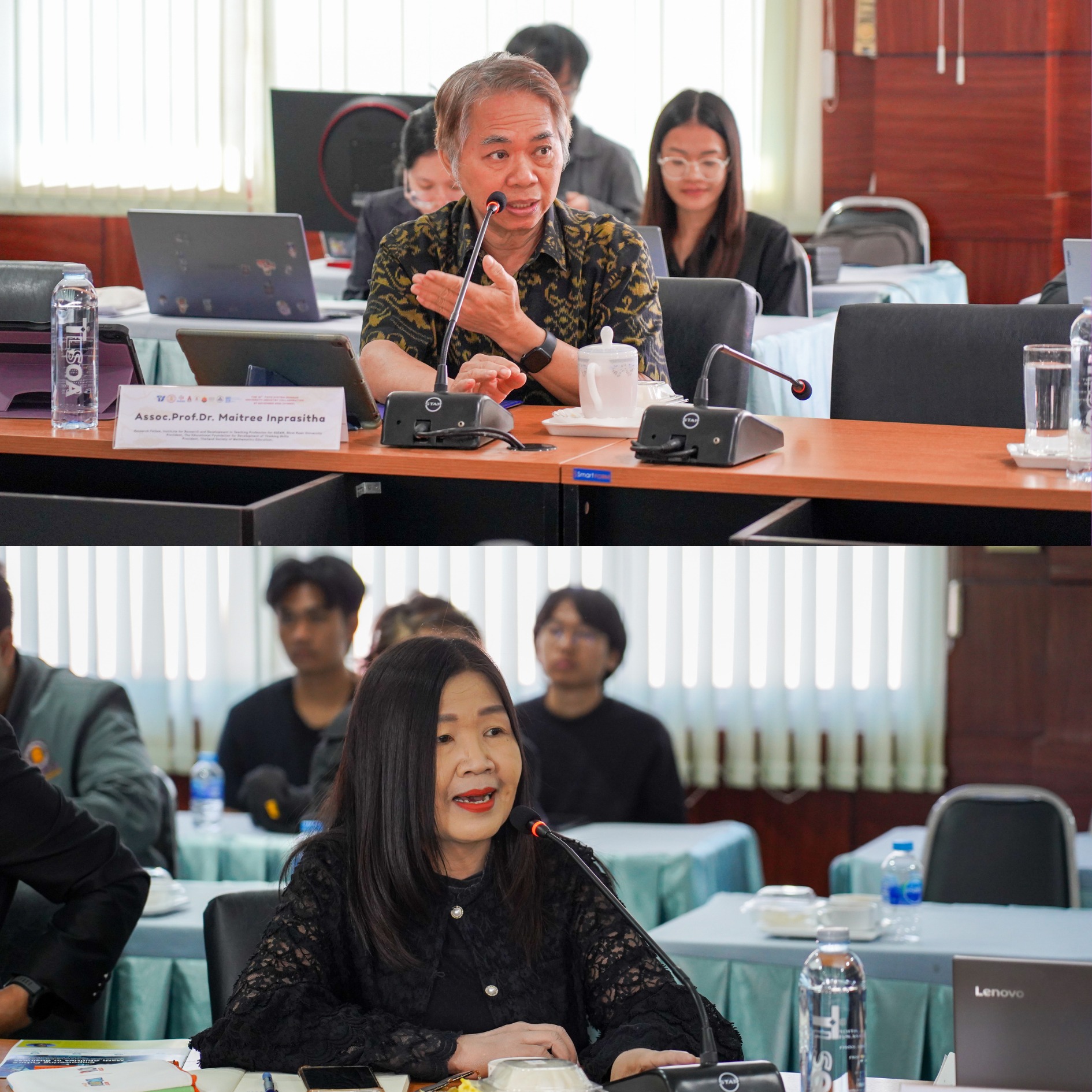
Opening Remarks Mr. Watchara Anyotha, the Khon Kaen Provincial Education Officer, delivered the welcome address. He was joined by Associate Professor Dr. Maitree Inprasitha, whose multiple leadership roles underscore the event's significance. Dr. Maitree serves as the Vice Chair of the Sub-committee for Local Teacher Development Project at the Ministry of Higher Education, Science, Research and Innovation (MHESI), Chair of the Foundation for Education to Develop Thinking Skills, President of the Thailand Society of Mathematics Education, and is a High-Performance Researcher at IRDTP KKU. Dr. Maitree outlined the history and critical importance of this continued collaboration.
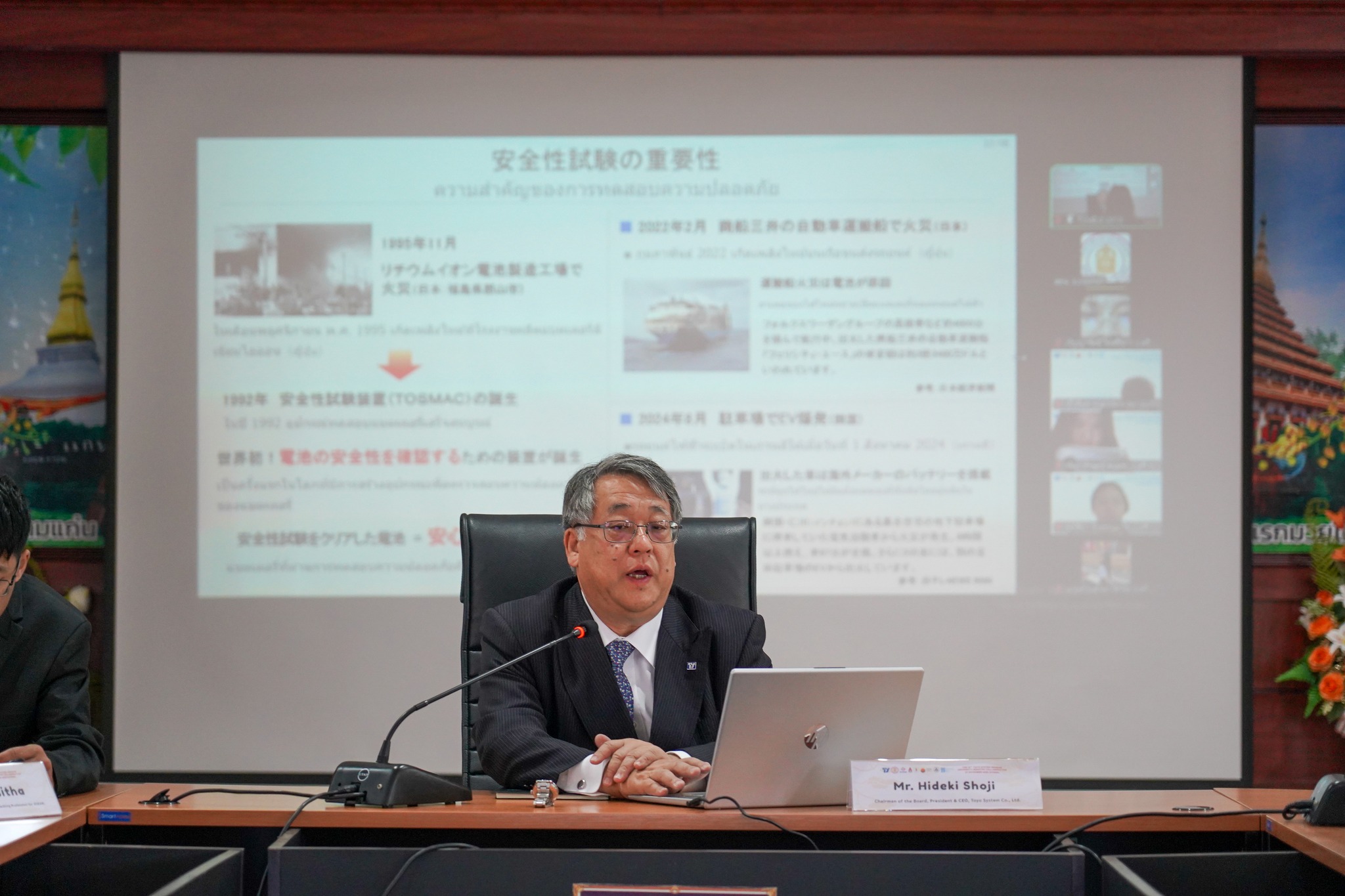
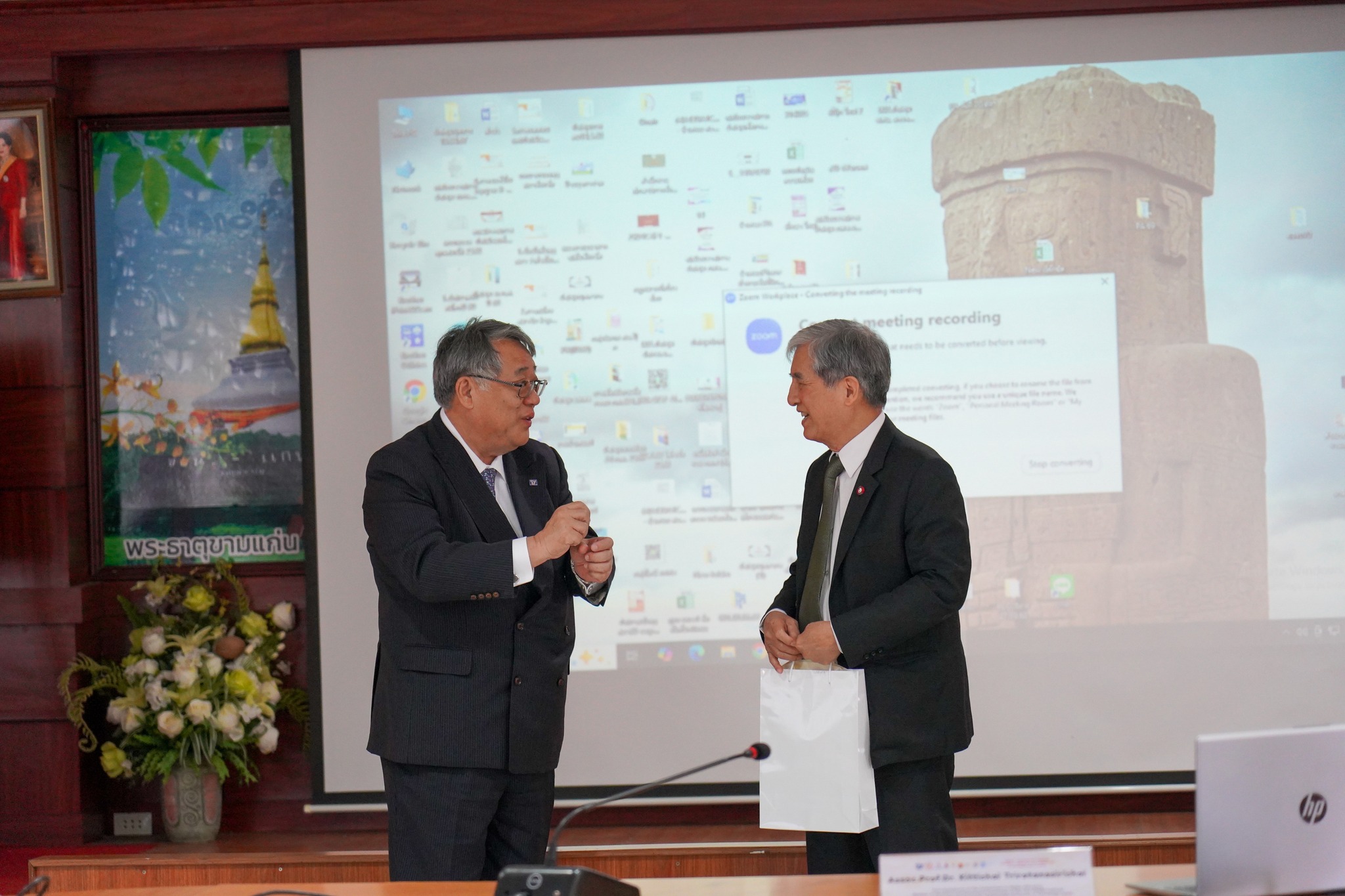
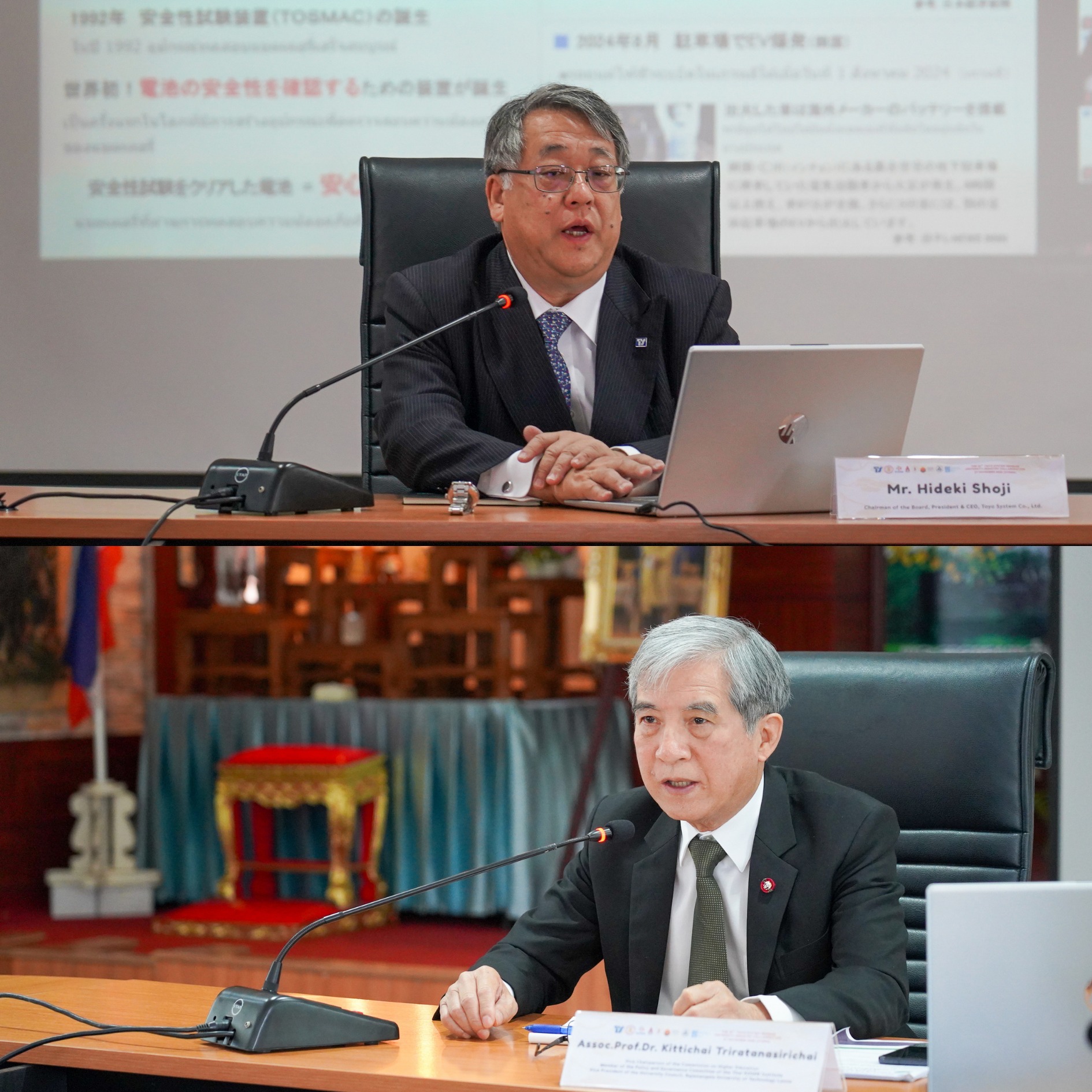
Pathways to Carbon Neutrality The keynote address was delivered by Mr. Hideki Shoji, President of the Iwaki Carbon Neutral Human Resource Development Consortium and CEO of Toyo System Co., Ltd.
Mr. Shoji’s presentation focused on practical, everyday actions to combat environmental issues. He discussed how individuals can adjust their behaviors to become more eco-friendly and emphasized that environmental awareness is a collective responsibility. Key topics included:
• Battery Technology: An introduction to equipment and systems for testing battery efficiency.
• Future Mobility: Guidelines for purchasing vehicles in the future with an eye toward environmental conservation.
• STEAM Education: The critical role of Science, Technology, Engineering, Arts, and Mathematics in solving environmental problems.
• Carbon Credits: Understanding the mechanisms of carbon offsetting.
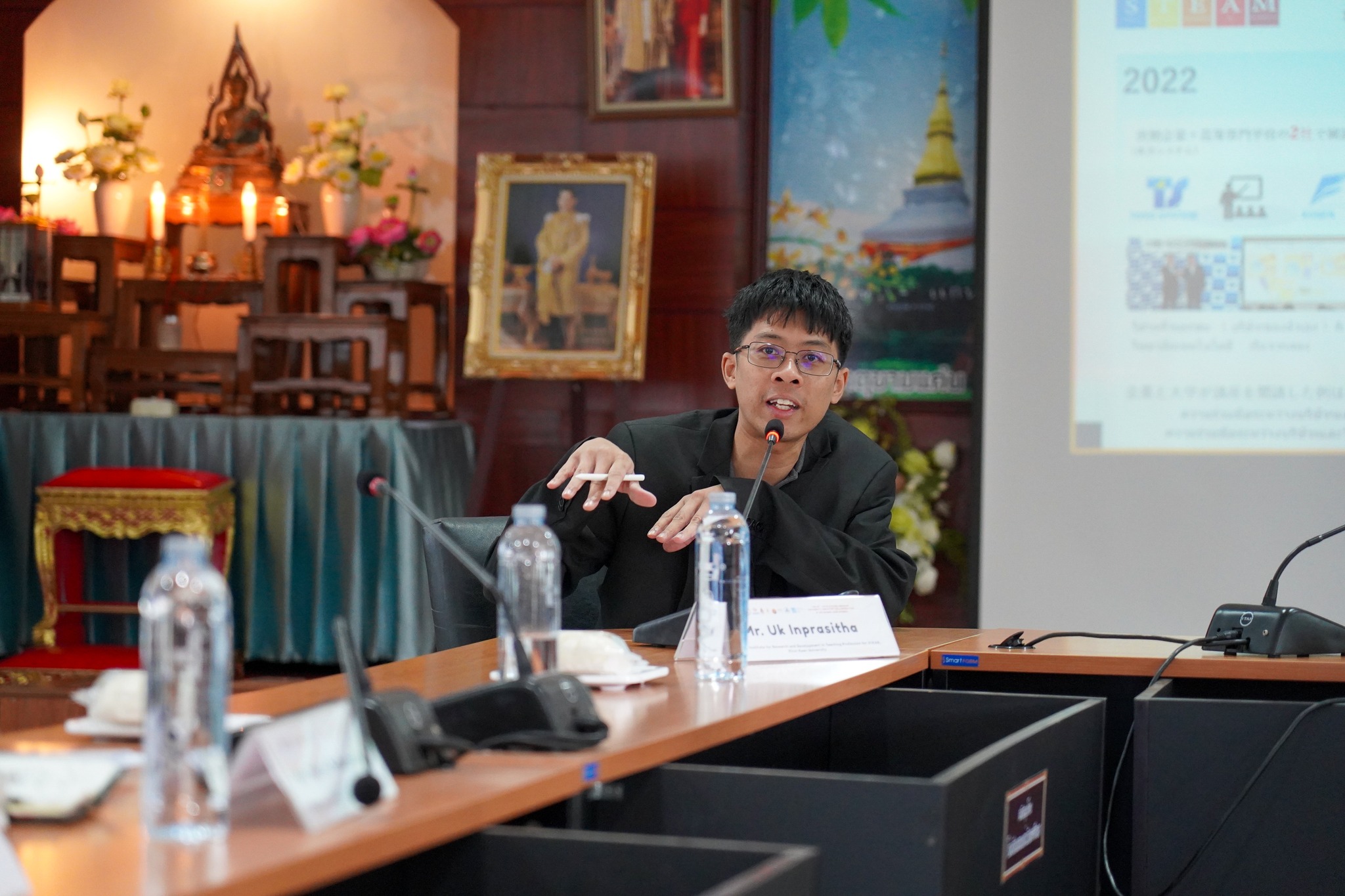
Interactive Learning and Future Opportunities The session concluded with a Q&A segment where students, teachers, and supervisors engaged directly with the speaker. Mr. Uk Inprasitha, an expert in professional development at IRDTP KKU, served as the interpreter for the session.
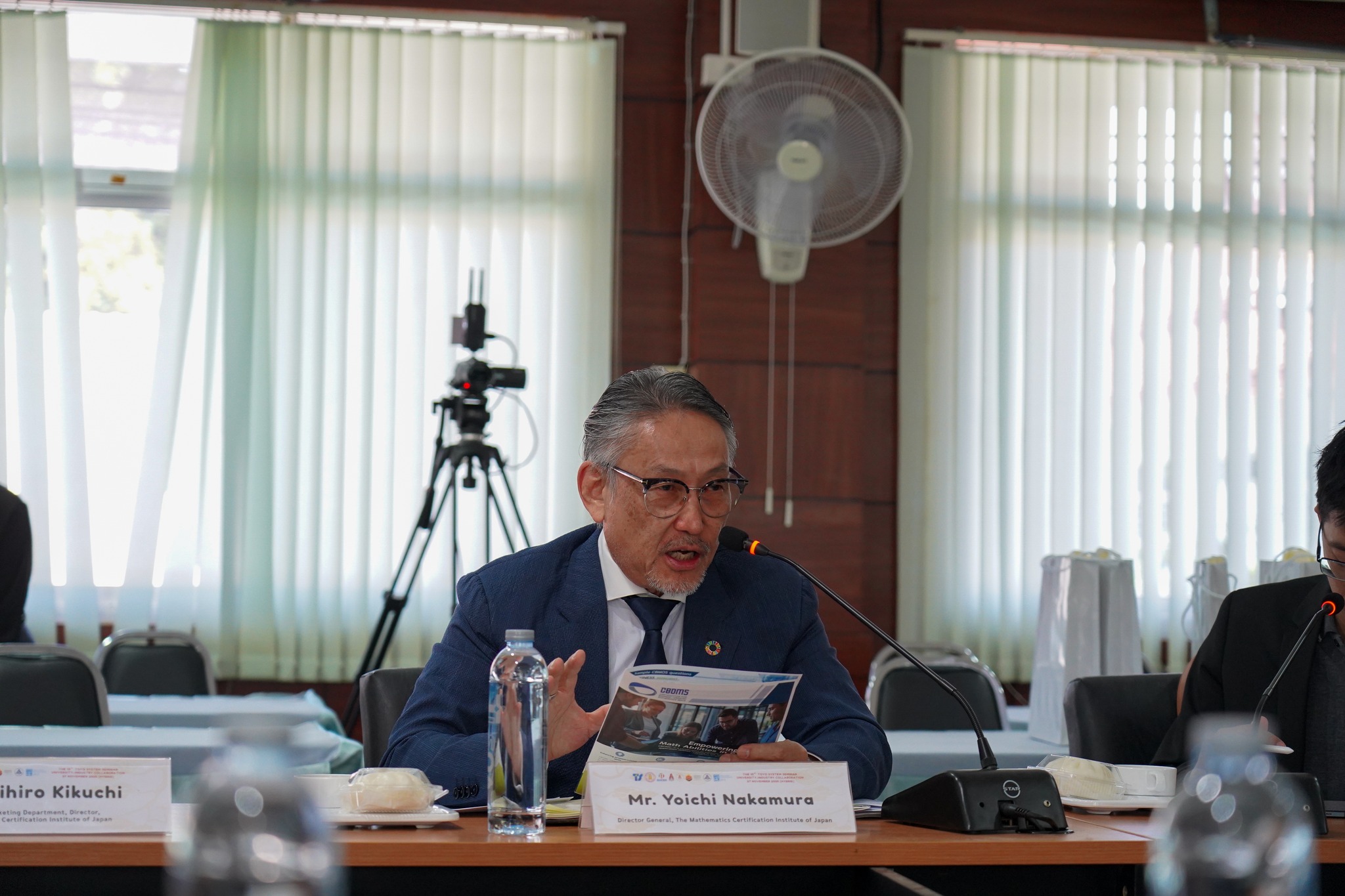
The seminar also served as a launchpad for future opportunities, promoting the CBOMS (Certification for Business-Oriented Mathematics Skills) test. This certification is being used to identify talented individuals with an interest in applying their skills to national development, offering them the chance to participate in study visits to Japan.
|